Courses

CBEHx provides an extensive portfolio of courses spanning scientific and technical fields, with selected programmes dedicated to business, innovation, and investment in science and technology.

Our Partners

We are proud to partner with the leading In2scienceUK as a step towards achieving our mission of imparting quality education and knowledge across the globe.

Our Students

Our students come from different organisations around the world including:

Stem Cell Technology

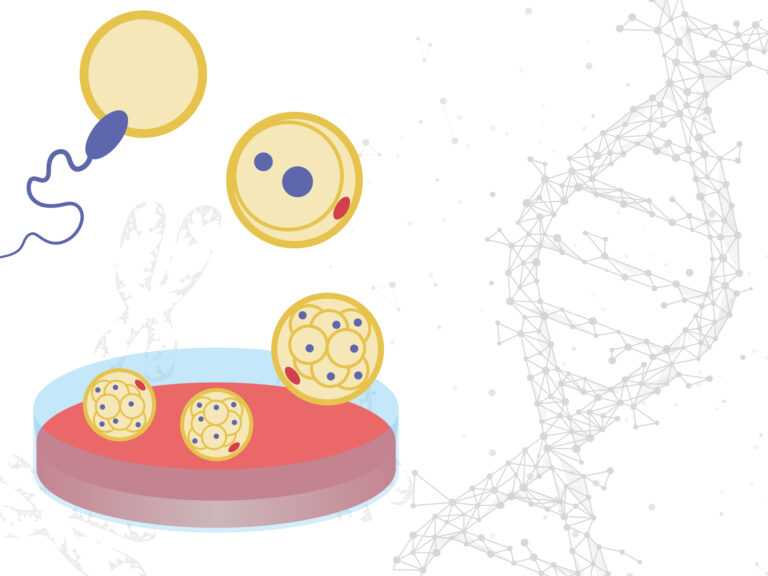
This course explores the fundamental principles of stem cell biology, including stem cell potency, embryonic, adult and induced pluripotent stem cells (iPSCs). Learners will study cellular reprogramming, directed differentiation, organoid technology, CRISPR genome editing, quality control and GMP manufacturing. The course also examines regulatory requirements, ethical considerations and current clinical applications of stem cell technologies in regenerative medicine.

What you’ll learn
  • Understand the different types of stem cells and the hierarchy of potency, from totipotent to multipotent.
  • Learn the techniques for generating iPSCs and the epigenetic remodelling involved in cellular induction.
  • Gain insight into 3D culture systems and the engineering of brain, gut, and liver organoids.
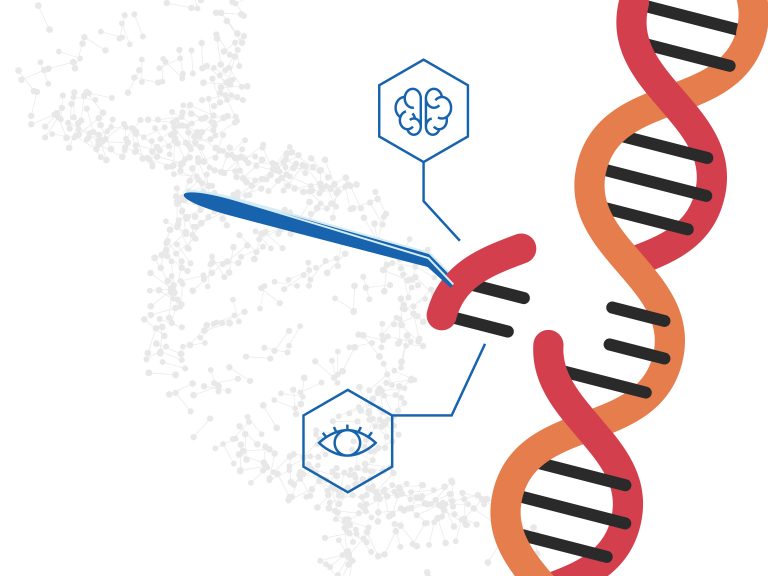
  • Understand how CRISPR is used for genome engineering in stem cells and the correction of disease-specific mutations.
  • Learn about quality control markers, genomic stability, and the regulatory frameworks of the FDA, EMA, and MHRA.
View full course details
Not Enrolled

Next Generation Sequencing (NGS)

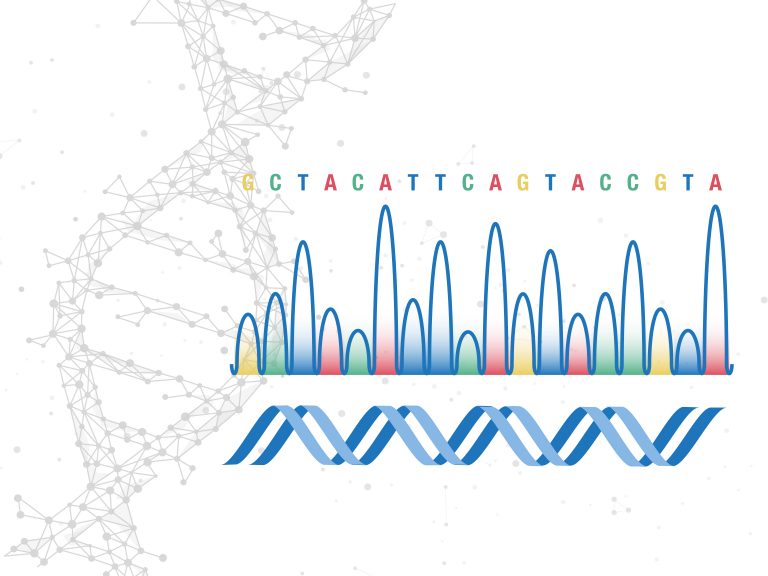
This intermediate-level course provides a thorough overview of the field of Next Generation Sequencing, covering its properties, strengths, major applications, and an overview of a typical sequencing workflow.

What you’ll learn
  • Review the genetic concepts required to understand NGS and explore the development of the first generations of DNA sequencing methods.
  • Explore and understand the motivation and fundamental basis of NGS, current and emerging sequencing technologies, alongside their advantages and potential biases that may affect their accuracy.
  • Learn the typical workflow of NGS, from sample preparation and high-quality library creation to post-sequencing quality control and data management.
  • Gain familiarity with the major applications of NGS, which include, among others, transcriptomic analysis by RNA-Seq, genomic variation discovery by Whole Genome Sequencing, and epigenomics.
  • Discover what the future of NGS may hold by covering the current changing landscape of NGS and the rapid evolution of data analysis bioinformatics tools.
View full course details
Not Enrolled

Molecular Ageing

The study of molecular ageing is a cutting-edge discipline, providing a novel lens through which to understand and treat age-related decline. This course offers a comprehensive introduction to the biological drivers of ageing, from evolutionary theories to the molecular hallmarks that define the biological clock. Participants will explore the mechanisms of DNA repair, the impact of oxidative stress, and emerging therapeutic frontiers, including senolytics and rejuvenation technologies moving from the laboratory into clinical consideration.

What you’ll learn
  • Understand the core biology of ageing and the primary evolutionary theories such as antagonistic pleiotropy.
  • Learn the molecular “Hallmarks of Ageing,” including cellular senescence, loss of proteostasis, and mitochondrial dysfunction.
  • Gain insight into nutrient-sensing pathways (mTOR, AMPK) and how interventions such as caloric restriction influence lifespan.
  • Understand the mechanisms of DNA damage and repair, and how they relate to accelerated ageing syndromes such as Werner syndrome.
  • Learn about the latest therapeutic frontiers, including senolytics, partial rejuvenation, and reprogramming.
View full course details
Not Enrolled

Cancer Biology: Exploring the Molecular and Genetic Aspects

This intermediate-level course explores the molecular and genetic basis of cancer, its evolution, and the principles of cancer immunology.

What you’ll learn
  • Learn about the molecular and genetic basis of cancer.
  • Understand the immunology of cancer and the concept of immunotherapy.
  • Learn about the clinical practice and translational research in oncology.
  • Explore the role of cancer stem cells.
  • Become aware of the career scope in the field of cancer biology.
View full course details
Not Enrolled

Neuroscience

Neuroscience is one of the most advanced and rapidly growing scientific fields. The beginning of the 21st century has seen major advances in techniques for studying and understanding how the brain functions. Although much remains to be discovered about the brain's immense complexity, neuroscience is now a well-established scientific discipline. This course explores the subject from basic brain cell biology to modern techniques for studying the brain, as well as disorders that affect it.

What you’ll learn
  • What neuroscience is and the basic cell biology of the brain.
  • The electrical properties of neurons and how they communicate.
  • Key methods for studying the brain, from cellular to whole-brain approaches.
  • The structure and function of both evolutionarily basic and complex brain regions.
  • Common brain disorders in the 21st century and current approaches to treatment.
View full course details
Not Enrolled

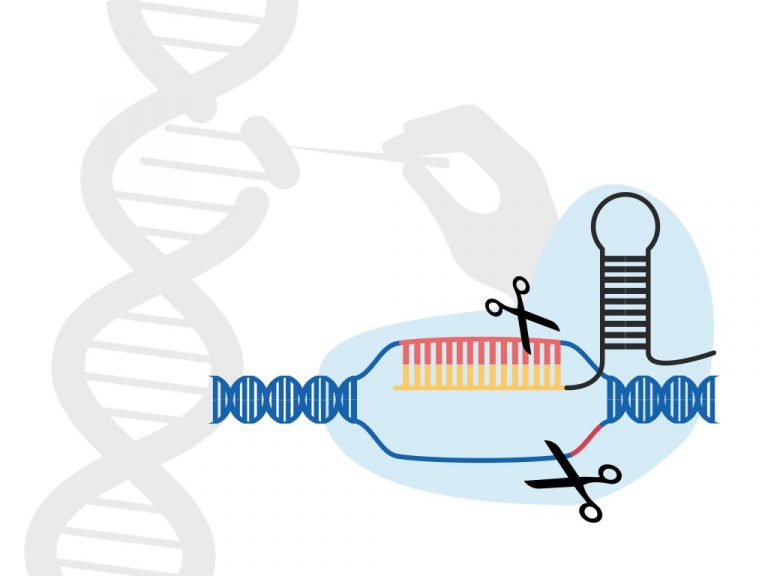
CRISPR: Revolutionising Genome Editing

This advanced-level course is designed to develop an understanding of complex concepts related to genomics, particularly CRISPR/Cas technology and its applications in drug discovery, therapeutics, and beyond.

What you’ll learn
  • Learn complex and advanced concepts related to genomics and CRISPR/Cas technology.
  • Explore the wide-ranging applications of CRISPR/Cas, from healthcare to agriculture.
  • Understand the ethical considerations and lesser-known aspects of CRISPR/Cas.
  • Learn how to design your own CRISPR experiment.
  • Discover career opportunities in genome editing and related fields.
View full course details
Not Enrolled

Vaccine Design

Vaccines have led to the eradication of diseases such as polio, but how are they designed? This course explores how vaccines are developed to ensure both effectiveness and safety.

What you’ll learn
  • Understand the importance of vaccines and the immunology behind how they work.
  • Learn about the stages of the drug development process, including clinical approval and post-approval safety monitoring.
  • Gain insight into safety regulations and ethical considerations in vaccine use.
  • Explore how vaccines can be optimised and learn about emerging vaccine technologies.
View full course details
Not Enrolled

Transcriptomics: Unravelling the Transcriptome

This intermediate-level course explores the concepts of the transcriptome with its technology and addresses how these concepts can help to reveal the genetic architecture of a trait.

What you’ll learn
  • Learn basic and key concepts of transcriptomics, transcription factors, and regulation of gene transcription.
  • Gain insight into transcriptome profiling of embryos, and for autoimmune disorders and chronic inflammatory diseases.
  • Explore the applications of transcriptomics in pest management and plant breeding.
  • Understand how transcriptomics can help to explore the genetic architecture of a trait.
  • Get updated on the career opportunities in the field of transcriptomics.
View full course details
Not Enrolled

Tissue Engineering

Over the past 30 years, tissue engineering has undergone a significant transformation, focusing on the regeneration of functionalised tissue for medical applications. This course covers all aspects of tissue engineering, including cell biology, biomaterial scaffolds, and cell bioreactors. In addition, students will gain insight into the latest advancements in the field.

What you’ll learn
  • Gain an understanding of the core concepts of tissue engineering, as well as the needs and challenges faced by researchers
  • Learn fundamental cell culture techniques for cell suspension
  • Identify the advantages and disadvantages of different types of biomaterial scaffolds
  • Explore research strategies for developing and characterising materials and investigating cell–material interactions
  • Describe different types of bioreactors used in tissue engineering applications
  • Develop an understanding of selected research studies across various medical fields
View full course details
Not Enrolled

Stem Cell Technology

This course explores the fundamental principles of stem cell biology, including stem cell potency, embryonic, adult and induced pluripotent stem cells (iPSCs). Learners will study cellular reprogramming, directed differentiation, organoid technology, CRISPR genome editing, quality control and GMP manufacturing. The course also examines regulatory requirements, ethical considerations and current clinical applications of stem cell technologies in regenerative medicine.

What you’ll learn
  • Understand the different types of stem cells and the hierarchy of potency, from totipotent to multipotent.
  • Learn the techniques for generating iPSCs and the epigenetic remodelling involved in cellular induction.
  • Gain insight into 3D culture systems and the engineering of brain, gut, and liver organoids.
  • Understand how CRISPR is used for genome engineering in stem cells and the correction of disease-specific mutations.
  • Learn about quality control markers, genomic stability, and the regulatory frameworks of the FDA, EMA, and MHRA.
View full course details
Not Enrolled

Scientific Writing

This course is a guide to scientific writing. The course touches upon different facets and types of scientific writing and presents a succinct overview of the different aspects that need to be considered while engaging in scientific writing activities.

What you’ll learn
  • Learn about the appropriate use of scientific terminology, units, and illustrations.
  • Gain insight into experimental research, data collection, and data analysis.
  • Learn how to conduct a literature search.
  • Get to know about various forms of scientific writing such as structuring a thesis and drafting research manuscripts for publication.
  • Become aware of the ethical and plagiarism issues in scientific writing.
View full course details
Not Enrolled

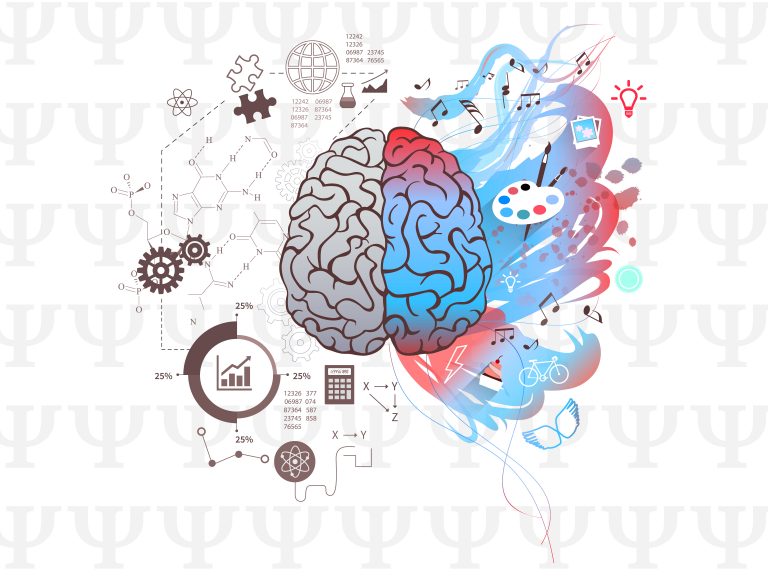
Psychology

This basic-to-intermediate Psychology course covers all the fundamental concepts necessary to understand the principles of Psychology as applied in laboratory, clinical, and educational settings.

What you’ll learn
  • The different areas of Psychology.
  • How personality traits are measured.
  • Psychopathologies: a brief guide.
  • The basics of cognitive skills, including learning, memory, attention, and inhibition.
  • The uses of Psychology for educators.
  • An introductory guide to the neural basis of behaviour.
View full course details
Not Enrolled

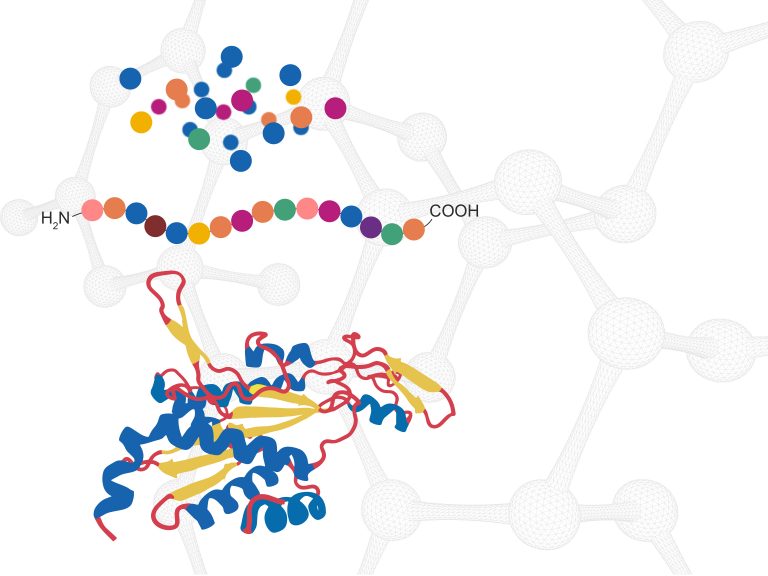
Proteomics

This course provides an all-around understanding of proteomics from the basic structure of proteins, the typical workflow in a proteomics experiment, the techniques and instruments used in proteomics and considerations in analysing data obtained from proteomics experiments.

What you’ll learn
  • Understand protein structure and functions.
  • Learn how to design a proteomic experiment.
  • Understand real-life applications of proteomics.
  • Understand how proteins can be separated for analysis.
  • Learn how a mass spectrometer instrument works.
  • Gain insight into the analysis of proteomics data.
View full course details
Not Enrolled

Principles of Biochemistry

This course introduces the principles of biochemistry, beginning with the biological building blocks of cells and progressing to fundamental metabolic signalling cascades, exploring how these pathways can be utilised in cancer therapy.

What you’ll learn
  • Understand the basics of protein structure and protein folding.
  • Appreciate the many different sources of energy for cell metabolism.
  • Be able to draw enzymatic reactions.
  • Gain an insight into key biochemical reactions in the cells.
  • Become familiar with key cell signalling pathways.
  • Understand the importance of cell biochemistry in cancer therapy.
View full course details
Not Enrolled

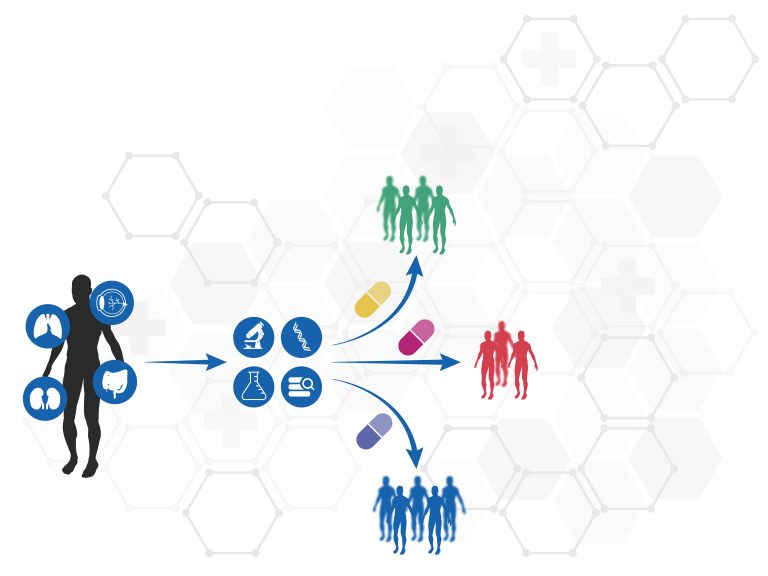
Precision Medicine

This intermediate-level course provides insight into the key concepts of precision medicine, its clinical applications in therapeutics, and the rapidly evolving precision medicine market.

What you’ll learn
  • Understand the core concepts of precision medicine.
  • Gain insight into the role of genetics and biomarkers in personalised therapies.
  • Explore clinical applications of precision medicine in disease treatment.
  • Learn how precision medicine is used in drug development and clinical practice.
  • Discover career opportunities and explore the global precision medicine market.
View full course details
Not Enrolled

Pharmacology

Pharmacology is the study of the effects of drugs on living systems and plays a crucial role in drug discovery. This course offers an overview of the field, covering essential concepts such as pharmacodynamics and pharmacokinetics, which are fundamental in researching new treatments.

What you’ll learn
  • What pharmacology is and why it matters.
  • The differences between pharmacodynamics and pharmacokinetics.
  • How drugs bind and interact with receptors in the body.
  • An introduction to the immune system and its role in pharmacology.
  • Key information about painkillers, antibiotics, antivirals, and antifungal medications.
View full course details
Not Enrolled

Next Generation Sequencing (NGS)

This intermediate-level course provides a thorough overview of the field of Next Generation Sequencing, covering its properties, strengths, major applications, and an overview of a typical sequencing workflow.

What you’ll learn
  • Review the genetic concepts required to understand NGS and explore the development of the first generations of DNA sequencing methods.
  • Explore and understand the motivation and fundamental basis of NGS, current and emerging sequencing technologies, alongside their advantages and potential biases that may affect their accuracy.
  • Learn the typical workflow of NGS, from sample preparation and high-quality library creation to post-sequencing quality control and data management.
  • Gain familiarity with the major applications of NGS, which include, among others, transcriptomic analysis by RNA-Seq, genomic variation discovery by Whole Genome Sequencing, and epigenomics.
  • Discover what the future of NGS may hold by covering the current changing landscape of NGS and the rapid evolution of data analysis bioinformatics tools.
View full course details
Not Enrolled

Neuroscience

Neuroscience is one of the most advanced and rapidly growing scientific fields. The beginning of the 21st century has seen major advances in techniques for studying and understanding how the brain functions. Although much remains to be discovered about the brain's immense complexity, neuroscience is now a well-established scientific discipline. This course explores the subject from basic brain cell biology to modern techniques for studying the brain, as well as disorders that affect it.

What you’ll learn
  • What neuroscience is and the basic cell biology of the brain.
  • The electrical properties of neurons and how they communicate.
  • Key methods for studying the brain, from cellular to whole-brain approaches.
  • The structure and function of both evolutionarily basic and complex brain regions.
  • Common brain disorders in the 21st century and current approaches to treatment.
View full course details
Not Enrolled

Molecular Microbiology

Molecular microbiology is a rapidly advancing field of science, with a growing demand to understand the omnipresent microbes that influence our daily lives at the sub-cellular level. This will be the primary focus of the course.

What you’ll learn
  • Learn the principles of microbial life at the sub-cellular level.
  • Understand how changes in the genome and genomic analyses can be applied in real-world scenarios.
  • Get familiar with various molecular-genetic techniques used in diagnostics and epidemiology.
  • Recognise the practical applications and promising career opportunities in molecular microbiology.
View full course details
Not Enrolled

Molecular Epidemiology of Infectious Diseases

Learn how molecular and epidemiological data are combined to understand infectious disease transmission and to help prevent and control pathogens.

What you’ll learn
  • What molecular epidemiology is and how it compares to traditional epidemiology.
  • The rationale and approach of molecular epidemiology as applied to infectious diseases.
  • The importance of pathogen genetic variation in infectious disease epidemiology.
  • The major molecular typing tools used in molecular epidemiology.
  • How to use and interpret molecular sequencing and phylogenetic data in an epidemiological context.
  • The different epidemiological questions that can be addressed with molecular epidemiology.
View full course details
Not Enrolled

Molecular Biology Techniques

This course is a beginner’s guide to the various experimental techniques used in molecular biology research. To conduct laboratory research in molecular biology, a researcher must be proficient in basic wet lab techniques. This course provides practical guidance on the key concepts behind these techniques and teaches learners how to perform them in laboratory settings.

What you’ll learn
  • The basic concepts underlying various molecular biology techniques.
  • How to prepare bacterial cell cultures, perform transformations, and screen transformants.
  • How to isolate nucleic acids from different sources and their purification techniques.
  • An overview of analytical techniques, including protein and nucleic acid sequencing.
  • The role of recombinant DNA technology in advancing animal and plant biotechnology.
View full course details
Not Enrolled

Molecular Ageing

The study of molecular ageing is a cutting-edge discipline, providing a novel lens through which to understand and treat age-related decline. This course offers a comprehensive introduction to the biological drivers of ageing, from evolutionary theories to the molecular hallmarks that define the biological clock. Participants will explore the mechanisms of DNA repair, the impact of oxidative stress, and emerging therapeutic frontiers, including senolytics and rejuvenation technologies moving from the laboratory into clinical consideration.

What you’ll learn
  • Understand the core biology of ageing and the primary evolutionary theories such as antagonistic pleiotropy.
  • Learn the molecular “Hallmarks of Ageing,” including cellular senescence, loss of proteostasis, and mitochondrial dysfunction.
  • Gain insight into nutrient-sensing pathways (mTOR, AMPK) and how interventions such as caloric restriction influence lifespan.
  • Understand the mechanisms of DNA damage and repair, and how they relate to accelerated ageing syndromes such as Werner syndrome.
  • Learn about the latest therapeutic frontiers, including senolytics, partial rejuvenation, and reprogramming.
View full course details
Not Enrolled

Metabolomics

Metabolomics is the youngest of the ‘omics’. In this course, you’ll gain an overview of metabolomics and its experimental workflows—both targeted and untargeted. When combined with other omics, the analysis of metabolites offers a unique snapshot of biological processes. Although it demands careful sample preparation and complex data analysis, metabolomics has limitless applications across research and industry.

What you’ll learn
  • Understand what metabolomics is and why it matters.
  • Learn how to design metabolomics experiments using different approaches.
  • Understand how metabolites are separated for analysis.
  • Get familiar with the instruments used in metabolomics.
  • Gain insight into the analysis and interpretation of metabolomics data.
  • Explore the real-world applications of metabolomics.
View full course details
Not Enrolled

Marine Science

This course covers the basic principles of marine science, with a focus on its intersection with society, from vital marine resources to human-induced threats to marine habitats.

What you’ll learn
  • Understand the basic principles of marine science, including physical, biological, and chemical components.
  • Explore the biodiversity of marine habitats and how organisms adapt to them.
  • Discover common tools used in modern marine science, such as remote sensing, genomics, and GIS.
  • Gain an understanding of anthropogenic effects on the marine environment, and how they can be mitigated.
  • Learn about marine biotechnology and the sustainable use of marine resources.
View full course details
Not Enrolled

Immunogenomics: Understanding the Immune Response to Disease

This advanced-level course explores the molecular and genetic basis of cancer, its progression, and associated immune responses.

What you’ll learn
  • Learn about the genetic basis of cancer and the immune response elicited by the body.
  • Understand the mechanisms of antigen presentation, immune activation, and exhaustion.
  • Learn about the role of biomarkers in immunotherapy development.
  • Develop a strong understanding of concepts such as immunogenotyping and immunophenotyping.
  • Learn about the development of CAR-T therapies, their mechanism of action, clinical applications, and side effects.
View full course details
Not Enrolled

Genomics

Genomics is the foundational and most well-established of all the omics disciplines. It involves the study of entire genomes, integrating key elements of genetics. From the basics to genetic manipulations and next-generation sequencing, this course offers comprehensive insights into the field and its real-world applications in clinical settings.

What you’ll learn
  • Learn the basics of genetics and gene expression.
  • Understand the fundamentals of genome function.
  • Understand the techniques of genome manipulation and next-generation sequencing.
  • Learn about the practical and clinical applications of genomics.
View full course details
Not Enrolled

Genetics

This introductory course covers the basic theoretical concepts of genetics before delving into more advanced topics, such as the techniques used in molecular genetics and genetic engineering.

What you’ll learn
  • From DNA to phenotype: learn about the nature and structure of genetic material and how it encodes information that leads to traits.
  • Gain an understanding of gene regulation in eukaryotes and prokaryotes, and how it is influenced by the environment.
  • Explore the concepts of inheritance and Mendel’s principles, and learn how to apply them to human diseases and traits.
  • Understand how genetics and evolution are intertwined, as well as the molecular basis and phenotypic consequences of genetic mutations.
  • Gain familiarity with the techniques of molecular genetics used in laboratories and the advances in genetic engineering.
View full course details
Not Enrolled

Gene Therapy

Gene therapy is one of the youngest and most innovative fields in modern medicine, offering a novel approach to treating a range of diseases. This course serves as an excellent introduction to the history of gene therapy, the various methods of gene transfer, both viral and non-viral, and the successful applications that have made their way into clinical practice. It also addresses the technical and ethical challenges associated with this rapidly evolving discipline.

What you’ll learn
  • Understand the fundamental principles and concepts behind gene therapy.
  • Learn about the various tools and techniques used in gene therapy.
  • Gain insight into the diseases treatable by gene therapy and explore notable success stories.
  • Understand the legal, economic, and ethical considerations surrounding gene therapy.
  • Explore the current state of germline modification, its technical challenges, and ethical dilemmas.
View full course details
Not Enrolled

Fundamentals of the Immune System

Have you ever wondered how your body fights infection? This introductory course explains what your immune system is and the different ways it helps you to fight infection.

What you’ll learn
  • Gain an understanding of what the immune system is and how it fights infections.
  • Learn about the significance of research into immune function in both health and disease.
  • Understand why and how chronic inflammation occurs.
  • Explore the immune system's role in diseases such as allergies and autoimmune disorders.
  • earn how the immune system can be harnessed to treat diseases.
View full course details
Not Enrolled

Fundamentals of Computer Science

This programme will equip you with essential knowledge in computer science and programming. By the end, you will understand what computer science is, how its knowledge can be applied in your field, and the basics of programming.

What you’ll learn

Throughout the programme, you will learn about the definition and applications of computer science and programming. You will also receive an overview of hardware, software, operating systems, and the internet. The primary focus will be on the fundamentals of programming, including an introduction to algorithms, pseudocode, programming languages, and programming paradigms.

  • What is computer science.
  • What is programming.
  • Introduction to hardware, software, and operating systems.
  • Basics of algorithms.
  • Fundamentals of programming.
View full course details
Not Enrolled